Posted on 8/28/2026
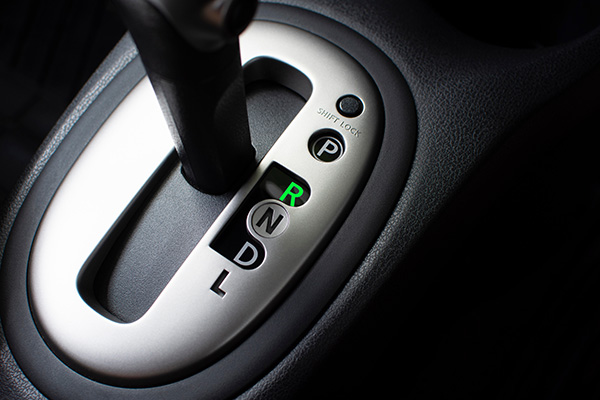
Selecting Reverse while a vehicle is moving forward can create several different outcomes depending on its speed, transmission design, and electronic controls. In many modern vehicles, the transmission control system prevents Reverse from engaging until road speed drops to a safe level. The shifter may move, but the transmission remains in Neutral or continues operating in a forward gear. Older vehicles and some mechanically controlled transmissions may offer less protection. If Reverse begins engaging while the wheels are still turning forward, the transmission can experience severe internal stress. Even when no immediate failure occurs, the event may damage clutches, gears, mounts, axles, or driveline components. How Modern Automatic Transmissions Respond Most late-model automatic transmissions use electronic shift controls. Moving the selector sends a request to the transmission control module rather than directly forcing the transmission into Reverse. The module ... read more
Posted on 7/31/2026
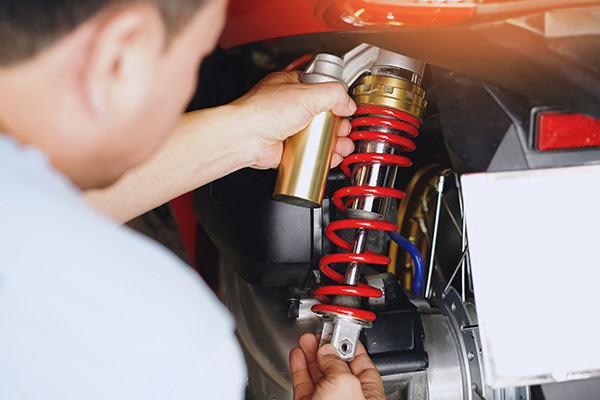
Shocks and struts do not usually fail in a way that gets your attention all at once. They wear slowly, and that is what makes them easy to ignore. The vehicle may still start, steer, and stop, but it feels a little more bouncy than it used to. The front end dips harder during braking. The tires start wearing in a strange pattern. Those changes are not just about comfort. Shocks and struts help control the vehicle's weight as it moves. They keep the tires planted, limit bouncing, steady the body through turns, and help the brakes work with tires that are actually staying on the road. When they wear out, several parts of the vehicle start paying for it. What Shocks And Struts Actually Control Shocks and struts are part of the suspension, but they are not there just to soften bumps. Their main job is to control motion. When the vehicle hits a dip, turns into a corner, stops hard, or drives over rough pavement, the springs want to keep moving. Shocks and struts slow ... read more
Posted on 6/26/2026

Transmission trouble can make any driver nervous because the repair can sound expensive before anyone even explains the options. Maybe the car is slipping, shifting hard, taking too long to go into gear, or making a noise it didn't make before. Once the transmission is involved, the big question becomes whether it can be rebuilt or needs to be replaced. There is no single answer that fits every vehicle. A rebuild can be the better choice in some cases, while replacement makes more sense in others. The right path depends on the type of failure, the condition of the transmission, parts availability, vehicle value, and how long you plan to keep driving it. What A Transmission Rebuild Means A transmission rebuild means the existing transmission is removed, taken apart, inspected, cleaned, and repaired with new or reconditioned internal parts. Worn clutches, seals, gaskets, bearings, bands, bushings, and other damaged components can be replaced during the process. T ... read more
Posted on 5/29/2026
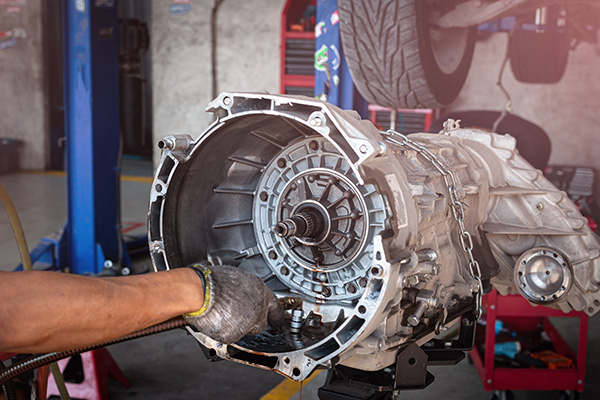
Transmission problems can make drivers uneasy because the symptoms are not always easy to read. A delayed shift, a shudder, a leak, or a warning light can point in several directions. Some repairs are minor when caught early, while others can turn expensive if the wrong part is blamed first. That is why choosing the right transmission shop matters. A specialized shop should bring testing, experience, and a clear process to one of the most complex systems in your vehicle. Transmission Work Needs More Than A Quick Look A transmission is not a simple part bolted under the car. It is a system comprising fluid pressure, internal clutches, valves, sensors, solenoids, seals, electronics, cooling lines, and computer control. When something feels wrong, the cause can be mechanical, hydraulic, electrical, or software-related. That is why a quick opinion is not enough. A trustworthy shop takes time to check the fluid condition, scan for codes, inspect for leaks, road test the ... read more
Posted on 4/30/2026
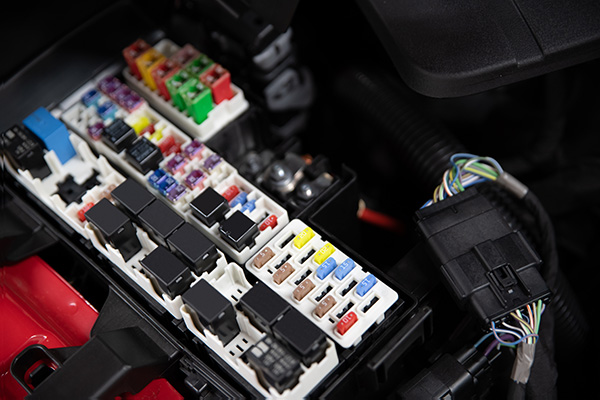
Electrical issues can be among the most frustrating problems a driver faces. The symptoms do not always seem connected, and the car may still start and drive well enough to make the issue feel easy to postpone. That is usually when the trouble spreads. A weak charging system, bad connection, failing module, or damaged wiring can affect more than one function at the same time. Catching those early signs is what helps keep the repair focused. 1. Slow Cranking Or Hard Starting A car that cranks more slowly than it used to is already giving you useful information. Many drivers assume the battery is just getting old, and sometimes that is true. Still, slow cranking can also point to charging problems, poor cable connections, or excess electrical resistance in the system. When the starter gets weaker over time, the problem warrants inspection before the car leaves you stuck. Waiting usually means the system gets tested only after a no-start happens. 2. Battery L ... read more