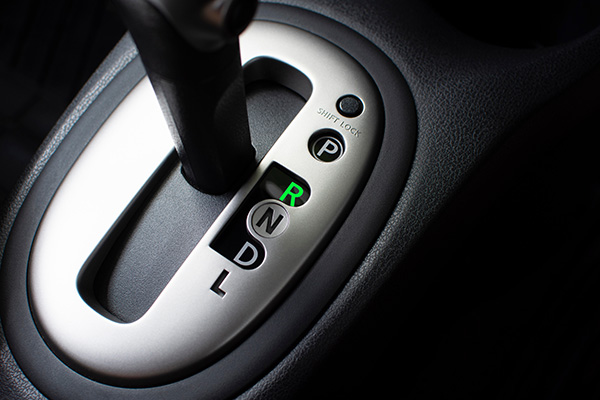
Selecting Reverse while a vehicle is moving forward can create several different outcomes depending on its speed, transmission design, and electronic controls. In many modern vehicles, the transmission control system prevents Reverse from engaging until road speed drops to a safe level. The shifter may move, but the transmission remains in Neutral or continues operating in a forward gear.
Older vehicles and some mechanically controlled transmissions may offer less protection. If Reverse begins engaging while the wheels are still turning forward, the transmission can experience severe internal stress. Even when no immediate failure occurs, the event may damage clutches, gears, mounts, axles, or driveline components.
How Modern Automatic Transmissions Respond
Most late-model automatic transmissions use electronic shift controls. Moving the selector sends a request to the transmission control module rather than directly forcing the transmission into Reverse. The module monitors vehicle speed, brake input, engine speed, throttle position, and current gear before allowing the requested change.
If the vehicle is traveling forward above a programmed limit, the control module usually rejects the Reverse command. Depending on the design, the transmission may stay in Drive, enter Neutral, or wait until speed falls before applying the reverse clutch.
This protection helps prevent an accidental shift from causing immediate mechanical failure. It should not be tested intentionally. Repeatedly moving the selector into Reverse while driving can still create software faults, harsh engagement when speed drops, or unnecessary wear in the shift mechanism.
What Happens At Very Low Speed
If the vehicle is barely rolling forward, some transmissions may engage Reverse after a brief delay. The reverse clutch then attempts to stop the remaining forward movement and begin turning the drivetrain in the opposite direction.
This can produce a strong jolt through the vehicle. The transmission mounts, engine mounts, CV axles, driveshaft, universal joints, differential gears, and internal clutches all absorb the sudden change in torque.
One accidental shift at walking speed may not destroy the transmission, but it is still harder on the drivetrain than stopping completely first. Bring the vehicle to a full stop, keep the brake pedal applied, and then select Reverse.
Why Higher-Speed Engagement Is So Damaging
At higher road speed, the wheels and drivetrain are rotating rapidly in the forward direction. Reverse requires internal components to apply in a way that opposes that movement. If the system allows the reverse elements to engage, the resulting load can exceed what the clutches, bands, gears, or shafts were designed to handle.
Possible damage includes:
- Burned reverse clutch plates
- Broken gear teeth
- Bent or damaged shafts
- Cracked transmission housings
- Damaged differential components
- Failed engine or transmission mounts
- Broken CV joints or driveshaft parts
- Overheated transmission fluid
The tires may also lose traction if the driven wheels lock or slow abruptly. That can make the vehicle unstable, especially on wet pavement, gravel, or during a turn.
Manual Transmissions React Differently
In a manual transmission, the driver physically moves the shift mechanism toward the reverse gear. Most manual transmissions do not synchronize Reverse in the same way they synchronize forward gears.
Attempting to select Reverse while moving forward usually produces loud gear grinding because the reverse gear and related components are rotating at incompatible speeds. The shifter may resist entering the gear, but forcing it can chip gear teeth, damage the shift fork, or wear the engagement components.
If Reverse does engage, releasing the clutch can create a violent load through the clutch disc, transmission, differential, axles, and mounts. The engine may stall, the driven wheels may lock, or internal parts may fail.
What If The Vehicle Was Shifted Into Reverse Accidentally?
If you accidentally move the selector into Reverse while driving, release the accelerator and return the shifter to Drive or Neutral without forcing it. Keep steering steadily and slow the vehicle in a controlled way.
After stopping safely, pay attention to how the transmission behaves. New warning signs can include:
- A delay before Drive or Reverse engages
- Harsh or unusual gear changes
- Grinding or clunking
- Transmission warning messages
- Fluid leaking beneath the vehicle
- Vibration during acceleration
- A burning odor
- Loss of forward or reverse movement
If the transmission continues operating normally and no warning appears, the control system may have blocked the shift. Even so, unusual behavior afterward deserves professional testing.
Can One Accidental Shift Ruin The Transmission?
The answer depends on whether Reverse actually engaged, how fast the vehicle was moving, and how long the condition lasted. A modern vehicle that electronically rejected the command may suffer no mechanical damage. A transmission that applied Reverse at low speed may develop accelerated clutch or mount wear without failing immediately.
A true reverse engagement at higher speed can cause extensive internal damage in seconds. The absence of an immediate warning does not confirm that every component escaped harm. Burned friction material or impact damage may lead to delayed symptoms.
Technicians can scan the transmission control module for stored faults, check fluid condition, inspect for leaks, and test engagement quality. If noise, slipping, or harsh shifting began immediately after the incident, continued driving can increase the repair cost.
How To Protect The Transmission During Direction Changes
Always bring the vehicle to a complete stop before shifting between Drive and Reverse. Keep the brake pedal firmly applied during the change, then allow the gear to engage before pressing the accelerator.
Avoid using the transmission to stop the vehicle’s motion. The brakes are designed to slow and stop thousands of pounds repeatedly. Internal transmission clutches are designed to transfer power after the vehicle is moving in the intended direction.
Regular maintenance with the exact transmission fluid specification also supports clutch operation and hydraulic control. An inspection is appropriate when engagement becomes delayed, harsh, or inconsistent, even when no accidental reverse shift has occurred.
Get Transmission Testing In Edmonds, WA, With Village Transmission & Auto Clinic
Village Transmission & Auto Clinic in Edmonds, WA, can evaluate harsh engagement, warning lights, grinding, slipping, fluid leaks, and changes that appear after an accidental shift into Reverse.
Contact us to schedule transmission testing before continued driving causes additional internal or driveline damage.